
The Rhône Has Gone Global
A Taste of the Rhône, Around the World
Two Countries. Two Rhône Varieties. One Delicious Wine Adventure.
Apparently, great wine grapes don’t believe in staying put. Welcome to The Rhône Has Gone Global, a GrapeFind Cellar Drop exploring the international connections behind two delicious reds: 2017 La Nevera Garnacha Cariñena from Spain and 2018 Terre Rouge Syrah Les Côtes de l’Ouest from California. I’ve brought them together to show how grapes associated with France’s Rhône Valley express themselves elsewhere, and how their stories sometimes began somewhere else entirely. Grab two glasses; we’ve got some ground to cover.
First, a little family history without the awkward reunion. Garnacha, known in France as Grenache, is widely considered Spanish in origin, as is Cariñena, also called Carignan. Both spread into southern France, where Grenache became a cornerstone of Southern Rhône blends and Carignan contributed color, acidity, and tannic backbone. Syrah, meanwhile, originated in southeastern France and became the Northern Rhône’s signature red grape, also joining blends farther south. Their success helped inspire winemakers worldwide. “Rhône-style” therefore describes a winemaking connection, not a shared birthplace… and Spain deserves plenty of credit in this story.
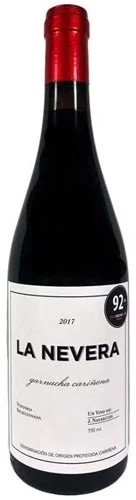
Our first stop is the 2017 La Nevera Garnacha Cariñena, a Spanish Garnacha from the Cariñena region of Aragón. A quick label lesson: here, Garnacha names the grape and Cariñena tells us where it comes from. Look for ripe cherry and raspberry, touches of plum, pepper, and vanilla, and a rounded, savory finish. This is a chance to explore Garnacha in its historic Spanish heartland, where generous fruit and warmth can coexist with earthy detail. Try it with garlic-and-herb grilled vegetables or chorizo, and notice how the savory food changes your impression of its fruit.
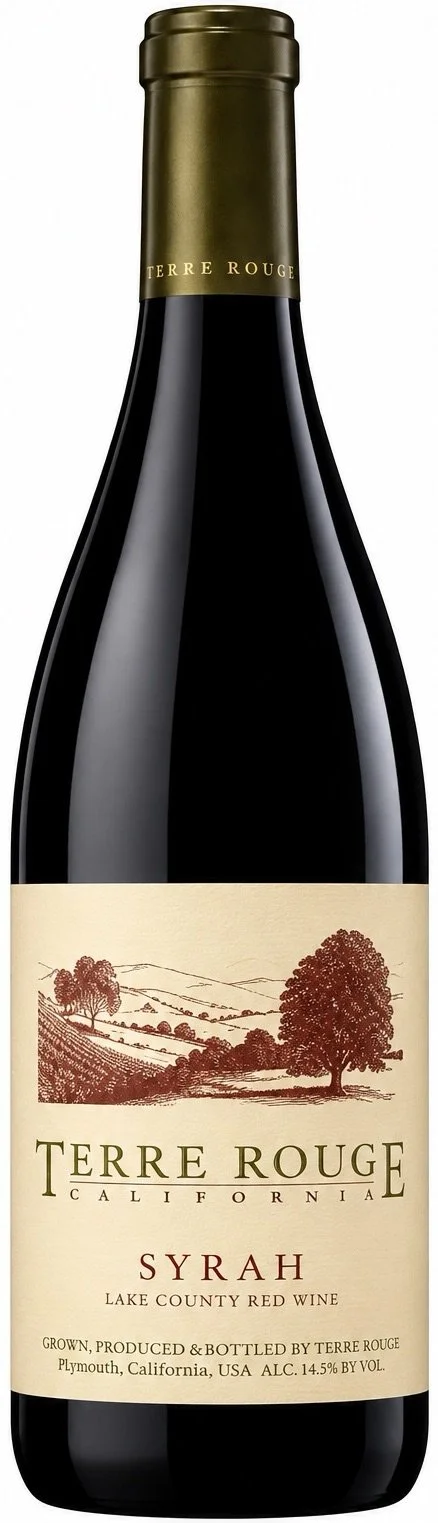
Next, California offers its interpretation with the 2018 Terre Rouge Syrah Les Côtes de l’Ouest. Fruit from the Sierra Foothills and nearby Clements Hills brings together mountain sites and cooling Delta influences, producing wild raspberry flavors with pepper, sage, olive, and smoky accents. Here’s a small detail with a distinctly Rhône connection: the wine includes 4% Viognier, a white grape fermented alongside the Syrah, a technique associated with Côte-Rôtie. Its silky texture and fresh balance make an inviting partner for grilled lamb or mushroom skewers. See whether the pepper and savory notes become easier to identify as it opens in your glass.
Now pour both side by side and let your palate do the traveling. Which leads with fruit? Which reveals more herbs or smoke? Compare mouthwatering acidity, the drying grip of tannins, and how long the flavors linger, then revisit both with the same bite of food. With years since harvest, these vintages also invite you to look for developing earthy notes alongside the fruit. Grapes, growing conditions, winemaking, and age all contribute to what you’re tasting. Share your favorite discovery around the table because the best souvenir from this little wine adventure is knowing a little more about what you love.