Bordeaux vs. Napa Valley
An Old World versus New World Wine Experience
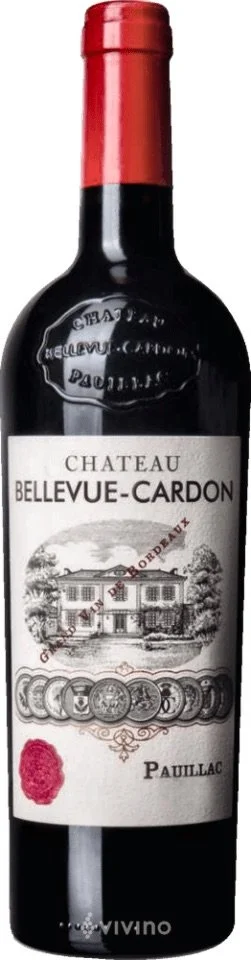
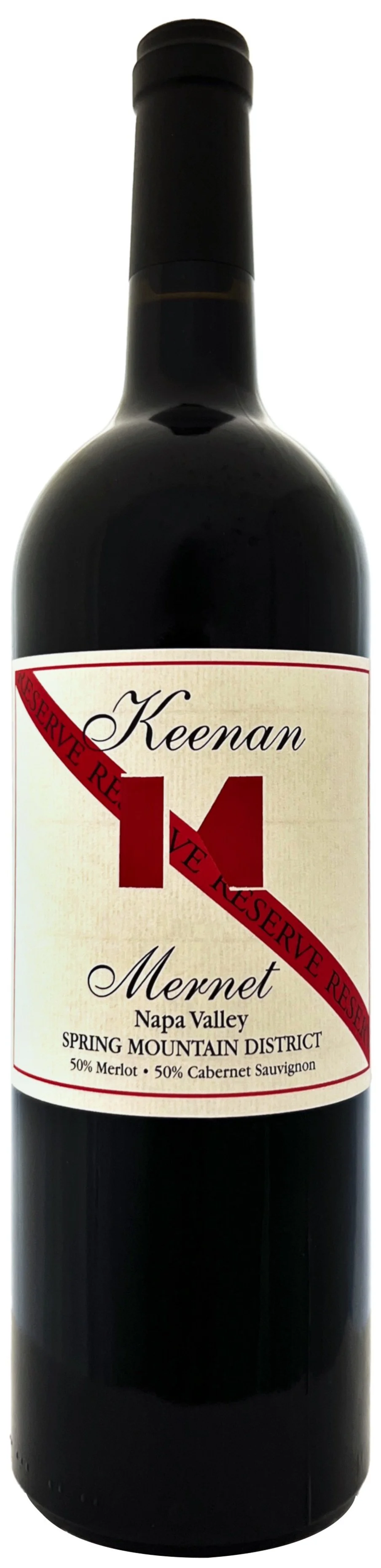
Two legendary wine regions walk into your dining room. Fortunately, you’ve already supplied the glasses. Welcome to the GrapeFind Cellar Drop: Bordeaux vs. Napa Valley, a two-bottle experience exploring how Cabernet Sauvignon and Merlot express themselves on opposite sides of the Atlantic. I’ve paired the 2018 Château Bellevue-Cardon Pauillac with the 2016 Keenan Mernet Reserve for an evening of discovery, friendly debate, and perhaps a little reconsideration of what you thought your favorite wine tasted like.
Here’s what makes this comparison interesting: familiar grapes don’t necessarily produce familiar results. Climate, vineyard conditions, blending choices, and winemaking all influence a wine’s personality. Bordeaux often earns its reputation through savory complexity and structure, while Napa is celebrated for generous fruit, but these bottles may blur those expectations. Their different vintages and blend proportions also play a part, so let your palate investigate. Compare fruit character, mouthwatering acidity, tannins (that drying sensation along your gums) and the flavors that linger after swallowing. Both wines have had years to develop; look for hints of earth or tobacco emerging alongside the fruit.
Our first stop is Bordeaux’s Left Bank with the 2018 Château Bellevue-Cardon Pauillac, a Cabernet Sauvignon-led blend supported by Merlot. Expect ripe black cherry and bramble fruit, an invitingly plush character, and tannins that give the wine shape through its long finish. This is your opportunity to explore how fruit and structure share the same glass: does the fruit greet you first, or do you notice the grip? Try it with roast lamb or aged cheddar and see whether the savory bite makes the wine feel more rounded. Even a classic French appellation can have a generous welcome.
Across the Atlantic, the 2016 Keenan Mernet Reserve brings us to Napa Valley’s Spring Mountain District. Pronounced mare-nay, Mernet combines equal parts Merlot and Cabernet Sauvignon from Keenan’s Upper Bowl vineyard. Look for plum, blueberry, and cherry, with earthy, tobacco, and herbal accents beneath its concentrated fruit. There’s substantial structure here, too—Napa brought more than sunshine to this dinner party. Give it time in the glass, then revisit both wines with the same food. Which feels fuller, which finishes longer, and which keeps drawing you back?
Now for the GrapeFind Blind Tasting Challenge: before pouring, have someone conceal the bottles and secretly assign them A and B. Use matching glasses, serve both slightly below room temperature, and record three impressions, your region guesses, and your favorite before revealing the labels. For the full surprise, save the wine descriptions above until afterward! Revisit your choices as the wines open up, and invite everyone to defend their verdict… with tasting notes, preferably. Whether you correctly identify both wines or confidently swap their passports, you’ve explored grapes, place, age, and your own preferences. That’s a successful Cellar Drop in my book.