Holiday Wine Pairing Guide
Cheers to the Festive Feasts
As the holidays are approaching, we can’t talk about the season without talking about the meals. By now, we all know there is nothing that goes better with a great holiday meal than the perfect wine pairing. The beauty about this conversation is that the selection of wines we can pair are endless. It all depends on the type of food you’re serving. A lot of factors can influence this decision. Culture, country, holiday celebration, so on and so on... So let’s take a closer look into these possible factors.
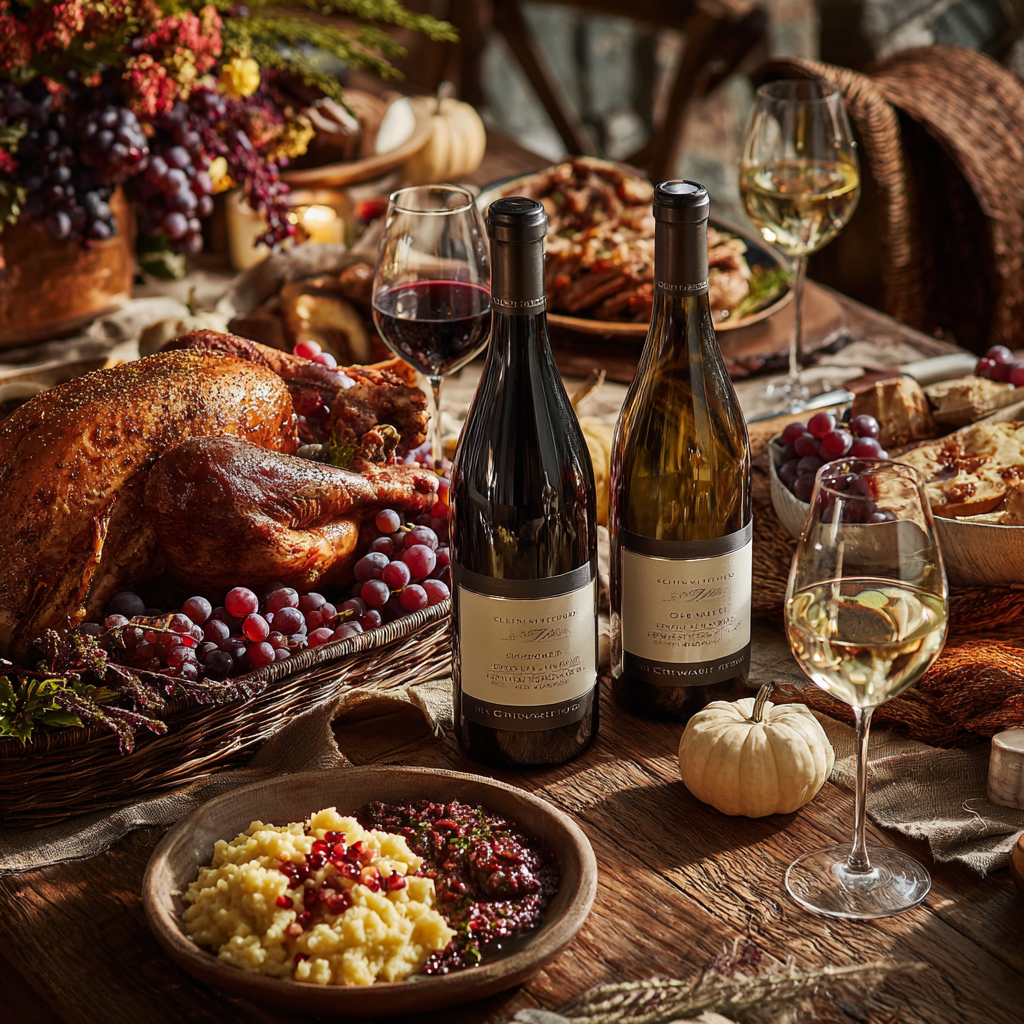
Thanksgiving may be the one day of the year when stuffing, gravy boats, and cranberry sauce all jockey for top billing, but any true wine lover knows the real stars are in the glass. The key to pairing wine with a Thanksgiving feast is versatility. With such a sprawling spread of textures, flavors, and richness, wines that balance brightness with depth shine the brightest. Think juicy, medium-bodied reds like Pinot Noir or Gamay that play nicely with turkey’s lean meat and those herb-laced sides. On the white side, dry Riesling and Grüner Veltliner bring aromatic lift and a touch of spice that complements roasted squash, buttery mashed potatoes, and everything in between. These are your classic crowd-pleaser wines that elevate without overwhelming.
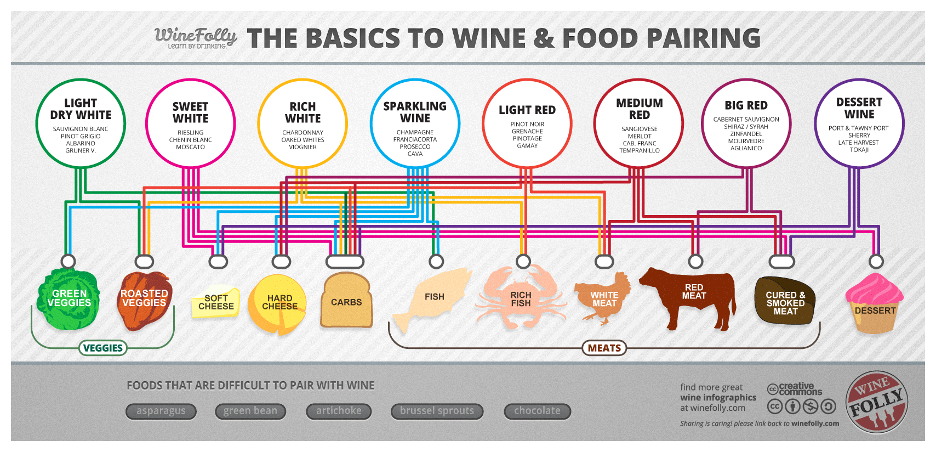
But this holiday is also ripe for exploration, so why not toss in a few unexpected scene-stealers? A chilled, earthy Cinsault from South America? A skin-contact Vermentino from Sardinia? Even a bubbly Lambrusco (that’s right, I said it) can cut through the richness of gravy and stuffing while adding a playful sparkle to the meal. The secret lies in understanding a few basic pairing principles: match weight with weight (light dishes with lighter wines, richer dishes with fuller-bodied options), contrast fatty or creamy foods with acidity to cleanse the palate, and complement dominant flavors (herbs, spices, sweetness) with wines that echo or balance those notes. These rules are helpful guides, but your palate is the ultimate judge.
The December holiday season brings a variety of festive meals, from rich roasts to indulgent sides and sweet desserts, making wine pairings an essential part of the celebrations. Classic grape varietals like Cabernet Sauvignon and Chardonnay shine during this time. Cabernet Sauvignon’s bold structure and dark fruit flavors pair beautifully with hearty dishes like beef roasts or lamb, while Chardonnay’s creamy texture and hints of vanilla and spice complement buttery mashed potatoes, roasted turkey, and savory stuffing.
For those looking to keep it light and festive, a sparkling wine like Brut or Brut Rosé pairs wonderfully with appetizers, seafood dishes, and celebratory toasts, adding a touch of elegance to any gathering. For a more adventurous approach, consider thinking outside the box. A fruit-forward Grenache offers versatility, pairing well with glazed ham, roasted root vegetables, or even spiced side dishes. Gewürztraminer, with its aromatic notes of lychee, ginger, and floral notes, is an enjoyable choice for dishes with complex spices or sweet elements, like honey-glazed carrots or cranberry sauce.
Other wine selections can really standout not just because of how well they complement, but also how they elevate the overall experience by keeping your wine selection interesting and dynamic. Food and wine pairing can be difficult, but by keeping some fundamental principles in mind, you can enhance your dining experience. Remember, these are guidelines, not hard rules. The best pairing is what pleases your personal palate. Enjoy the journey of discovering new and delightful food and wine combinations! Here are some key tips to remember when pairing food with wine:
Match the Weight: Pair light-bodied wines with lighter dishes and full-bodied wines with heartier dishes. For instance, a delicate white like Pinot Grigio goes well with light seafood salads, while a robust red like Cabernet Sauvignon pairs beautifully with a steak.
Consider Acidity: Foods with high acidity can make low-acidity wines taste flat. Aim to match acidic foods with acidic wines. For example, dishes with tomato sauce often pair well with tangy wines like Sangiovese or Barbera.
Balance Sweetness: Wines with some sweetness (like off-dry Rieslings or Gewürztraminers) can be excellent with slightly spicy food, as the sweetness can counteract the heat. However, be cautious pairing dry wines with very sweet dishes, as the wine can come off as tart and unbalanced.
Tannins and Fats: Tannic wines like young Cabernet Sauvignon or Nebbiolo pair well with fatty meats because the fat can soften the wine's dryness, leading to a more balanced taste in the mouth.
Complement/Contrast Flavors: Complement: Match flavors in food and wine, like a buttery Chardonnay with a creamy lobster bisque. Contrast: Pair opposites, such as a sweet wine with salty food (e.g., Sauternes and blue cheese).
This holiday season, let each forkful guide your next sip: match lighter wines with delicate dishes and fuller wines with richer fare, use bright acidity to refresh the palate between buttery bites, and explore flavors that echo or contrast what’s on your plate. Give sweeter sides a little sweetness in the glass and save a wine at least as sweet as your treats for dessert. Bring a familiar favorite and an unexpected discovery, then taste them alongside different dishes and share what surprises you. The most memorable pairing may be the one you're most thankful for. Enjoy!