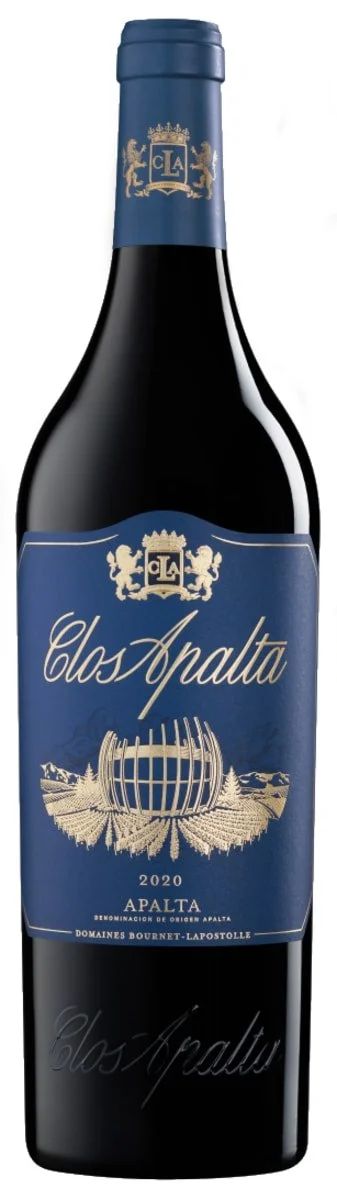
Clos Apalta Red Blend
A deep ruby color with aromas of blackberries, black currants, figs and plum, mixed with peppery and herbaceous notes. On the palate, it is rich and full-bodied, offering flavors of dark and red fruits, chocolate, green peppers and spice. Clos Apalta, one of Chile’s most prestigious wineries, is known for its world-class Bordeaux-style blends, crafted under the ownership of Domaines Bournet-Lapostolle, a family with deep roots in French winemaking. The winery is in the Apalta Valley, a sub-region of the Colchagua Valley in Chile. Clos Apalta has gained international acclaim, with several vintages receiving perfect 100-point scores from critics.
Grape Varietal: Carmenère, Cabernet Sauvignon, Merlot, Petit Verdot
Feature: Biodynamic, Organic, Sustainable
Country: Chile
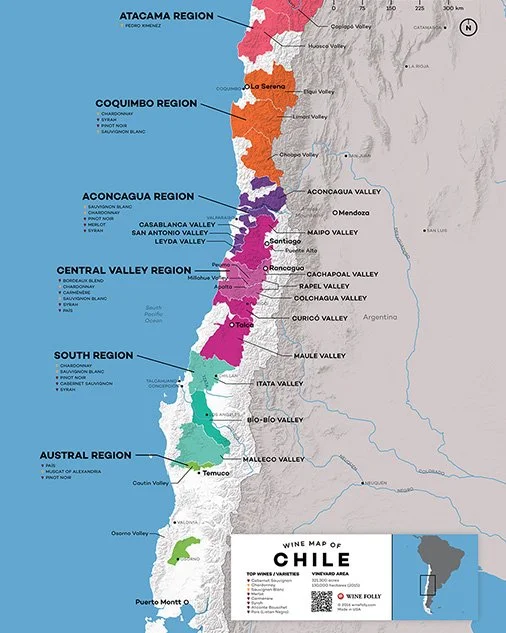
Region: Central Valley
Appellation: Colchagua Valley
Grape Profile: Predominantly made from Carmenère which adds deep color, soft tannins, and dark fruit flavors with spice and herb. Cabernet Sauvignon gives the wine structure, depth of flavor, and aging potential. Merlot adds softness, plum flavors, and roundness. Petit Verdot gives color and floral notes.
Region Profile: The Colchagua Valley in Chile benefits from a Mediterranean climate with warm days and cool nights, ideal for growing a variety of grape types. The valley’s diverse soils and coastal influence contribute to the complexity and elegance of its wines, making it one of Chile’s premier wine regions.
Pair with: Grilled steaks, lamb chops, or a hearty beef stew. Rich cheeses like aged Cheddar and Gouda. Vegetable dishes like roasted mushrooms and lentil casserole.